New Delhi – The 28th Conference of Speakers and Presiding Officers of the Commonwealth (CSPOC) officially commences today in the Indian capital. Bringing together legislative leaders from across the globe, the summit serves as a critical platform for fostering cooperation among Commonwealth parliaments and strengthening democratic institutions.
India, hosting this biennial event in 2026, welcomes the delegates from over 50 Commonwealth nations. The conference aims to address the evolving challenges facing modern legislatures, ranging from the integration of technology in parliamentary proceedings to the role of presiding officers in maintaining order and impartiality during split debates.
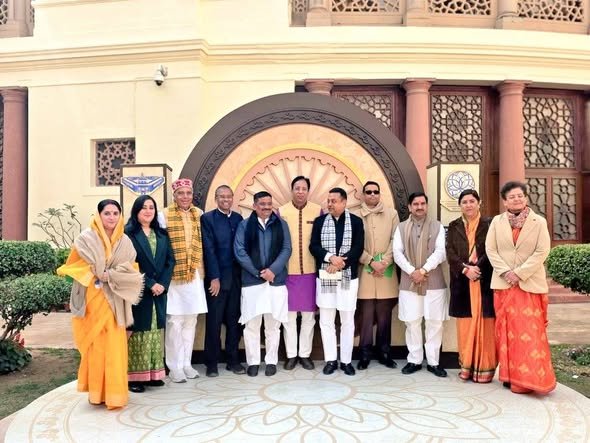
The Agenda
The primary focus of this year’s gathering is mainly on “Legislative Resilience and Digital Transformation.” with the rapid advancement of artificial intelligence and digital communication, speakers will discuss how parliaments can remain transparent and accessible while protecting the integrity of legislative processes.
Key sessions scheduled for the opening days include:
Parliamentary Diplomacy: Exploring how presiding officers can contribute to international relations and conflict resolution.
Inclusivity in Governance: Strategies for ensuring diverse representation and the active participation of marginalized voices in the legislative process.
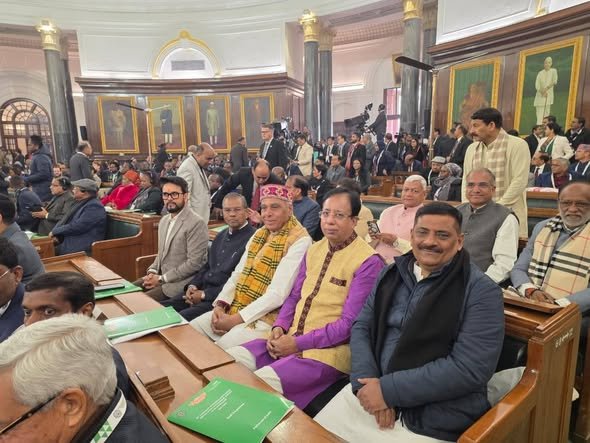
Climate Action: The responsibility of parliaments in implementing and monitoring national commitments toward environmental sustainability.
Significance of the New Delhi Summit
The hosting of the 28th CSPOC in New Delhi underscores India’s prominent role within the Commonwealth. As the world’s largest democracy, India’s parliamentary traditions provide a unique backdrop for discussions on legislative best practices.
The Indian presiding officers are expected to showcase the digital initiatives of the Sansad (Parliament), including paperless legislative workflows and real-time public engagement tools that have been implemented over the last several years.
Strengthening Commonwealth Ties
Beyond the formal sessions, the conference provides an essential venue for bilateral meetings between speakers. These informal interactions often lead to bilateral agreements on legislative training, exchange programs for parliamentary staff, and shared protocols for security and governance.
The CSPOC, established in 1969, continues to be a cornerstone of Commonwealth cooperation. By facilitating a peer-to-peer learning environment for those who steer the world’s most diverse legislative bodies, the New Delhi conference aims to reinforce the shared values of the rule of law and parliamentary democracy.
The 28th Conference is set to conclude later this week with the adoption of a joint communique outlining the collective vision for Commonwealth legislatures heading into the next decade.
also read : Australia Social Media Ban.