The future of sustainable transport is driving major investment decisions, and India is poised to be a principal beneficiary. Cellcentric, the ambitious 50:50 joint venture (JV) between the Volvo Group and Daimler Truck, is reportedly planning a significant expansion of its global Research and Development (R&D) footprint, with a strong focus on establishing a new, large-scale engineering hub in India.
This move underscores the growing strategic importance of India, not just as a manufacturing base, but as a critical talent pool for complex, next-generation technologies like hydrogen fuel cells.
💡 The Fuel Cell Imperative
Cellcentric was established by the two automotive giants specifically to accelerate the development, production, and commercialisation of hydrogen-based fuel cell systems for use in long-haul trucks and other heavy vehicles.
- Zero-Emission Goal: Both Volvo and Daimler Truck are committed to meeting the EU’s Green Deal objectives and achieving a decarbonized transport system. Fuel cells, which convert hydrogen into electricity with only water as a byproduct, are seen as the most viable zero-emission solution for heavy-duty, long-distance trucking where battery weight is prohibitive.
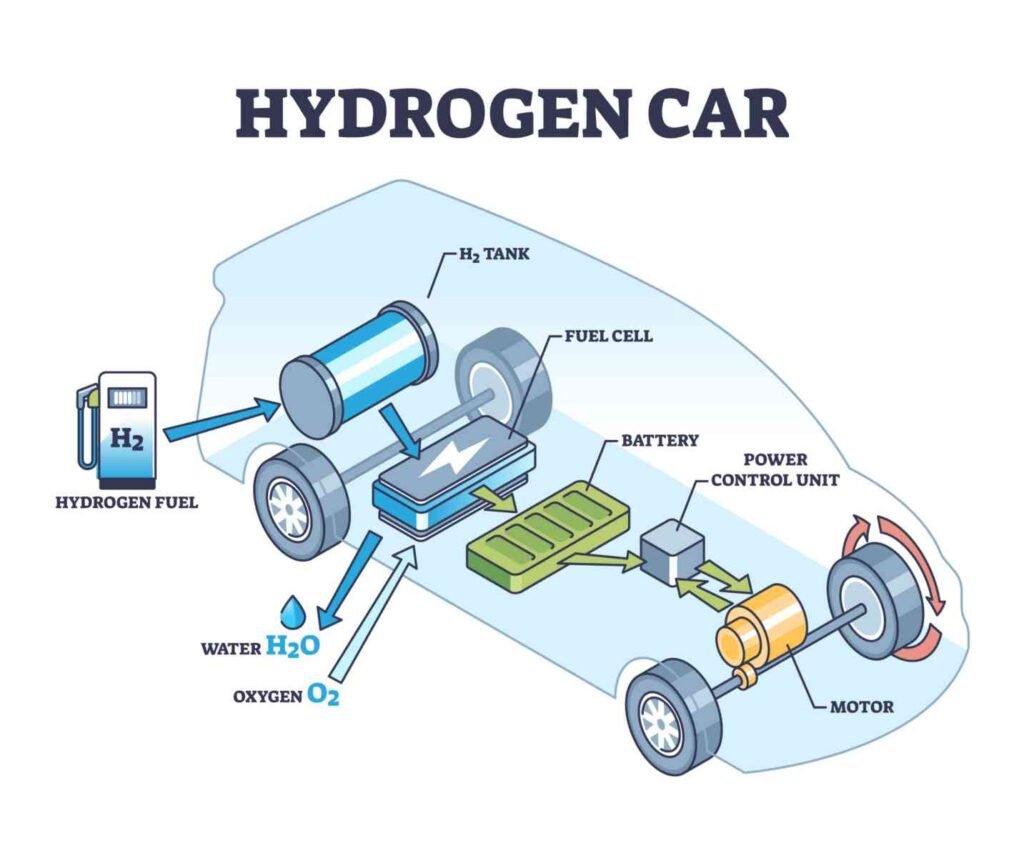
- India’s Role: By locating a major R&D center in India, Cellcentric aims to tap into the country’s vast reservoir of highly skilled software engineers, electrical engineers, and product development specialists. These teams will likely be tasked with optimizing fuel cell system integration, power management software, and vehicle control units—all crucial components for commercial readiness.
🌐 Building the Global Engineering Network
While both Volvo and Daimler already have substantial independent R&D operations in India (including Volvo Group’s technology centers and Daimler India Commercial Vehicles), the creation of a specialized Cellcentric hub suggests a dedicated commitment to fuel cell innovation leveraging Indian talent.
- Synergy and Speed: The JV structure allows the two competitors to share the colossal costs and risks associated with pioneering a completely new propulsion technology. The Indian R&D expansion will be crucial for accelerating the development cycle and rapidly scaling up prototypes and testing.
- Future-Ready Talent: The move aligns with a broader trend of global automotive giants designating India as a strategic location for future-mobility technology, moving beyond traditional component manufacturing to high-value engineering design.
The official announcement detailing the size, location, and investment figures for the Indian R&D hub is eagerly anticipated, as it will mark a significant milestone in India’s role in the global transition to green heavy transport.