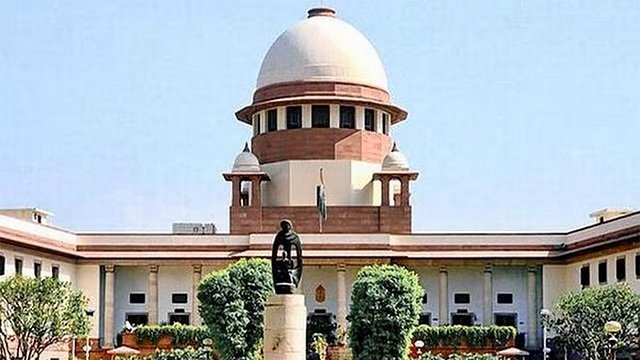
New Delhi – In a significant judicial intervention, the Supreme Court of India on Thursday stayed the implementation of the newly notified University Grants Commission (Promotion of Equity in Higher Education Institutions) Regulations, 2026. A bench led by Chief Justice of India Surya Kant and Justice Joymalya Bagchi warned that the framework, in its current form, is “vague” and capable of creating a deep “regressive” divide within the student community.
The 2026 Regulations, which were notified on January 13, aimed to provide a robust grievance redressal mechanism for students belonging to Scheduled Castes (SC), Scheduled Tribes (ST), and Other Backward Classes (OBC). However, the court observed that the language used in the rules could have “very dangerous impacts” on the social fabric of educational institutions.
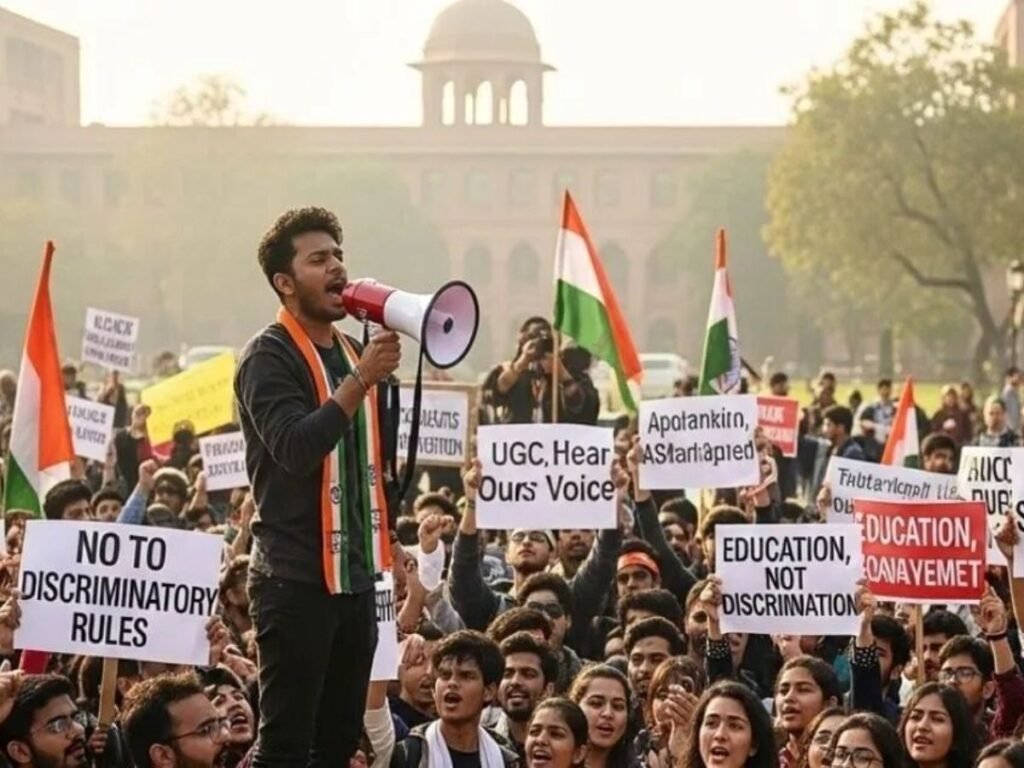
During the hearing of three writ petitions challenging the constitutionality of the rules, the bench expressed grave concerns regarding the potential for misuse. The court specifically questioned the necessity of creating separate definitions for caste-based discrimination when a broader definition of discrimination already exists.
“In a country after 75 years, whatever we have gained in terms of developing a casteless society—are we going regressive?” the CJI remarked. The bench further highlighted that the regulations could lead to a “segregated” environment, noting with alarm a proposal regarding separate hostels. “For God’s sake, please do not do that! We should move forward towards a casteless society,” the court added.
To ensure that students are not left without any legal recourse during the period of the stay, the Supreme Court directed that the 2012 UGC Regulations will continue to operate until further orders. The 2012 framework, while largely advisory, remains the governing law for anti-discrimination measures on campuses for the time being.
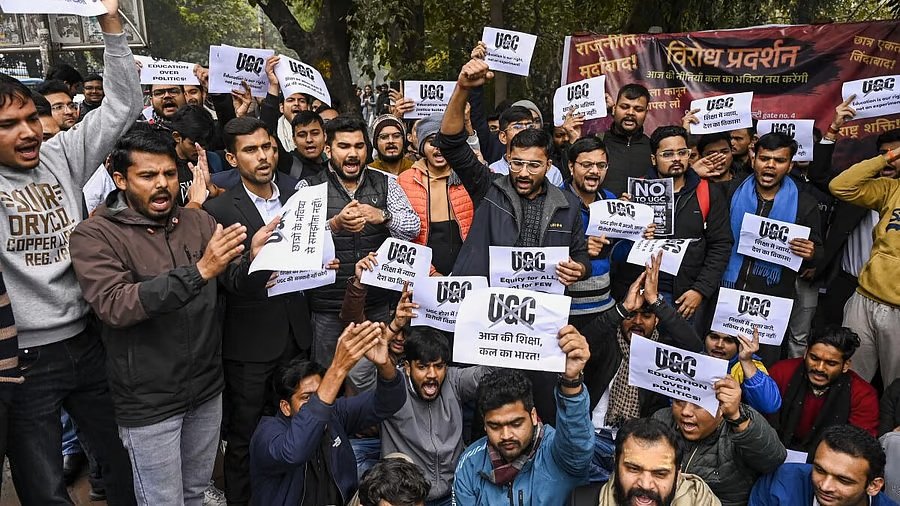
The petitioners, represented by Advocate Vishnu Shankar Jain and others, argued that the new 2026 rules were “exclusive” because they omitted the “general category” from the definition of caste-based discrimination. They contended that this omission left non-reserved category students vulnerable to harassment without any institutional protection or safeguards against false complaints.
The Supreme Court highlighted four to five “serious concerns” that require immediate attention. The language of the 2026 regulations was termed “prima facie vague” and open to various interpretations. The lack of safeguards against false or malicious complaints was noted as a major flaw. The bench questioned why “ragging”—one of the most prevalent forms of campus harassment—was not integrated into this new equity framework. The court noted that students from North-East or South India often face discrimination that isn’t strictly “caste-based” but is equally damaging. The Supreme Court has issued notices to the Union Government and the University Grants Commission, seeking their response by March 19, 2026.
The bench suggested that the regulations be revisited by a committee of eminent jurists and social experts who understand the nuances of Indian social values. The court emphasized that while an effective mechanism for tackling discrimination is essential, it must not come at the cost of social harmony or constitutional equity.
Read Also :
PM Modi Says Economic Survey Shows India’s ‘Reform Express’ is on Track Despite Global Challenges
India’s Potential Growth Accelerates to 7%: CEA V. Anantha Nageswaran
Nifty 50 Analysis: Markets Navigate Pre-Budget Volatility Amid India-EU Trade Optimism